









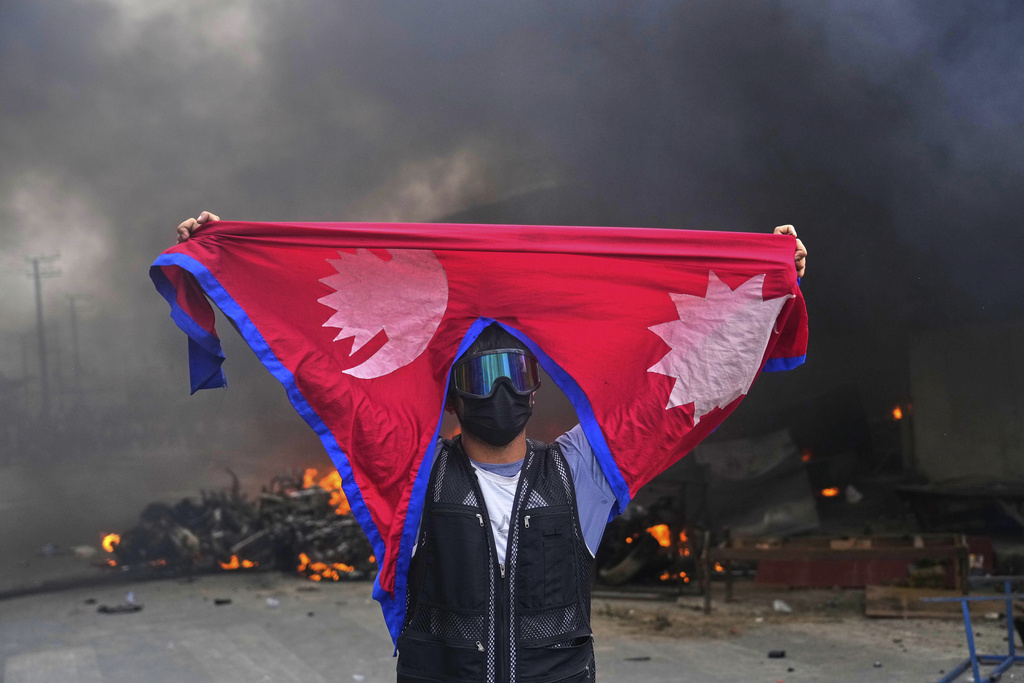
A social media blackout hit Nepal, as the Nepali government intended to ban 26 social media platforms, including Facebook, X and YouTube. As thousands of young Nepalese people, widely regarded as the ‘Gen Z protestors’, stormed parliament in anticorruption protests.
In September, anti-corruption protests swept Nepal.
In response, the Nepali government moved to ban several social media platforms, using hate speech and misinformation as their rationale.
Thousands of Nepalese people took the streets in response. The majority of these protestors were between the ages of 13 and 28 – hence the title of ‘Gen Z protestors’ – and they were met with heavy police force. During the chaos of the protests, Nepalese police officers fired live ammunition, rubber bullets and threw tear gas.
Three Nepali Lancaster Country Day School students – Saishna S., Jas G. and Situ S. – have shared how the political turmoil from their home country has had an impact on them, as well as information from family members who are currently in Nepal.
A number of Nepali immigrants in Lancaster, Pa. held a vigil for those affected in Nepal on Sunday, September 14. Situ’s father, Khem Subedi, was an organizer of this vigil.
In an interview with WGAL, Mr. Subedi said, “We are here as a community, to really give them tribute and pass some condolences to the family members back in Nepal.”
Local protestors say they hope for the same change that the individuals in Nepal are working to forge.
“The police had a way more violent approach [than the protestors],” says Saishna.
The Nepali government responded to protests by lifting their social media ban on September 8, but this didn’t satisfy the Nepalese people.
As word spread that people were killed during the previous night’s protests, Nepal’s citizens rallied together on September 9, stormed parliament and set ablaze the corruption that sojourned its walls.
Though these protests occurred in the beginning of September, there has long been outrage over poverty, lack of opportunities and nepotism within Nepal.
The hashtag “#NepoBaby” has been used by the children of many Nepalese government officials, as they flaunted their wealth and lavish lifestyles.
“I don’t think anyone should be born with opportunities handed to them on a silver platter,” says Situ. “I believe that the government should be focusing on helping the impoverished rather than stacking money up for themselves.”
The lack of government support for less fortunate communities in Nepal is an issue, according to Jas.
“On every block, there were at least five to 10 homeless people, and at every temple there’s about 30 homeless people,” Jas says. “If the government doesn’t serve the people, what right do they have to say they are a government?”
According to the Outreach International Organization, “Poverty in Nepal has proven to be a stubborn and significant challenge.”
Impoverished Nepali folks have to deal with problems such as access to clean water, safe and stable shelters, access to healthcare and social service and access to a good education.
During the social media bans in September, it wasn’t just entertainment platforms that were restricted for Nepali people.
“People had businesses on the platforms they lost,” Saishna says. “When the Nepali government banned social media, they basically banned their voice.”
By September 11, 51 people were killed and more than 1,300 people were injured as a result of the protests, according to Al Jazeera.
After the Nepalese government was overthrown, an online group of more than 160,000 people voiced their support via Discord for Former Supreme Court Chief Justice Sushila Karki to serve Nepal’s Interim Prime Minister.
“[Nepal] needs a good government and economic growth. I hope to see [Gen Z] make the right change.” Situ says.
“When I found out the new Prime Minister was a woman, I was really proud,” says Saishna, citing a lack of opportunities for women in Nepal. Saishna says that she hopes this will open the door for more women to have a positive political impact on Nepal.