








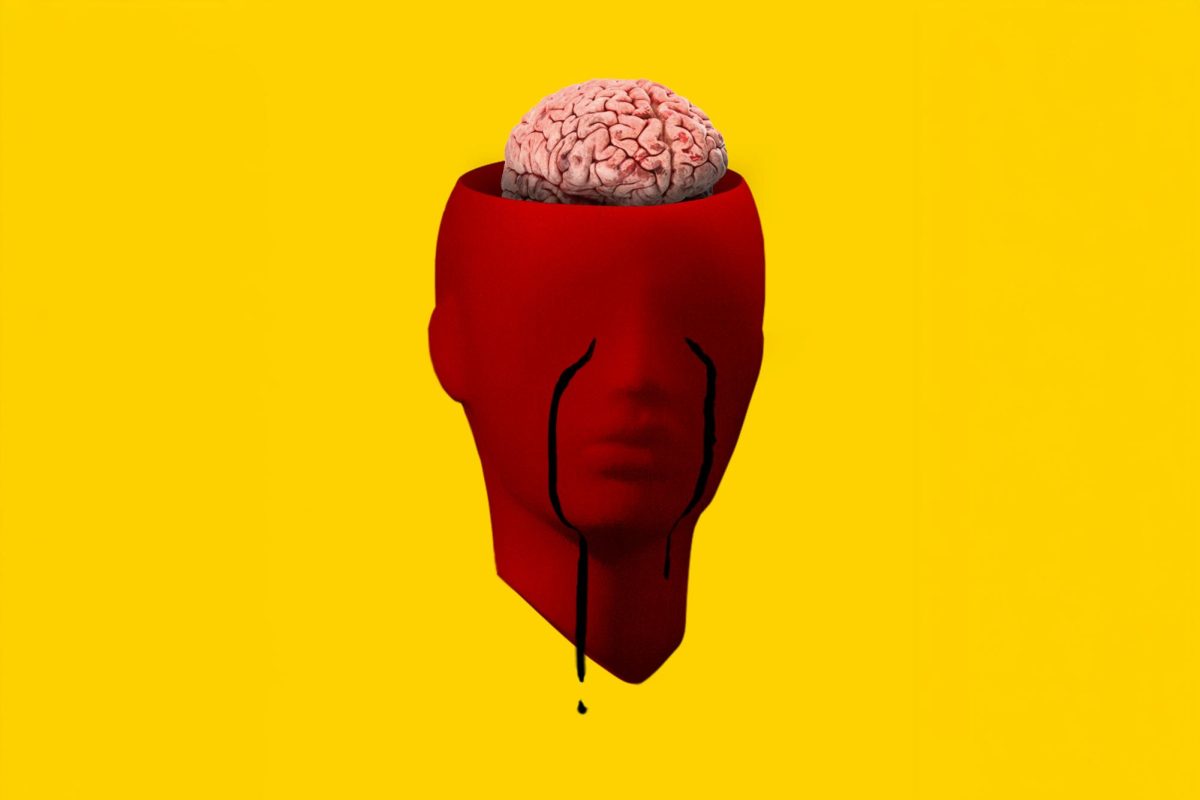
Brainrot refers to a rapidly evolving collection of internet memes and slang. It has become increasingly common within the LCDS community. While some teachers express concern over not understanding these phrases, most are used playfully and carry little substantive meaning.
On the topic of whether teachers should be concerned about the rise of new memes and brainrot culture, Sophomore Noor S. said “No, I don’t think so because it’s just a harmless little joke.”
Among the most popular memes are the Khaby Lame mechanism, 67, and content created using Sora AI and Viggle AI.
The Khaby Lame mechanism meme originated from a video featuring a robotic model of the TikToker Kahaby Lame performing his signature pose – which consists of him reacting to a video, then mimicking an easier and more efficient way to do what was in the video. He then puts out his palms while always having a blank expression on his face. The device spins its mechanical arms in circles to mimic Lame’s various antics and gestures featured in his videos. The clip has since become a staple in online meme culture.
In one example, TikToker h00pify, an account that explains current memes, posted a video captioned, “What is this mechanism that everyone is turning into? This is the Khaby Lame mechanism and it’s been taking people’s souls. People are genuinely being turned into the mechanism, and are trapped to live inside it for eternity. Do all roads lead to the Khaby Lame mechanism?” The video then humorously depicts the imagined transformation in real time.
The slang term 67 originated from the song “Doot Doot (6 7)” by rapper Skrilla and has since inspired several remixes, including “THE 6 7 SONG” by TikTok artist Lil Godd. The trend gained traction after a viral video showed a kid saying “67” while moving his hands up and down rhythmically. Numerous variations have since emerged, including “41.”
In an online interview with Today, teacher and education content creator Mr. Lindsay said “There’s no real meaning to it. It is a number that is fun to say…with the hand motions, and it just doesn’t mean anything.”
Sora AI is a new AI video-generation tool developed by OpenAI, the company best known for creating ChatGPT. The app has quickly gained attention online.
Often referred to as “AI slop,” Sora AI allows users to generate realistic, lifelike videos from simple text prompts with minimal effort, making it easy for content to spread rapidly across social media algorithms. Some users have created entire choreographed fight scenes and other cinematic sequences using the tool.
While concerns about misuse persist, OpenAI reports to have implemented strict safeguards to prevent the generation of inappropriate or harmful content.
Noor S. offered a clear boundary on meme culture and slang appropriate place within LCDS, stating that while slang is “fitting in the community,” it should not be used academically. “I definitely think there could be negative effects on teachers, they could think it’s a nuisance.” she said.
The American Heart Association has warned that brainrot and similar digital habits may have negative effects on mental and physical health. These concerns stem from excessive screen time and constant device use, which can shorten attention spans and contribute to feelings of anxiety or depression.
According to the association, the amount of time we spend on our screens, and the type of content we consume, can significantly influence our overall well-being.
When asked about her own screen habits, Noor S. said, “I’d say four hours on weekdays and six to seven hours on the weekends.”