




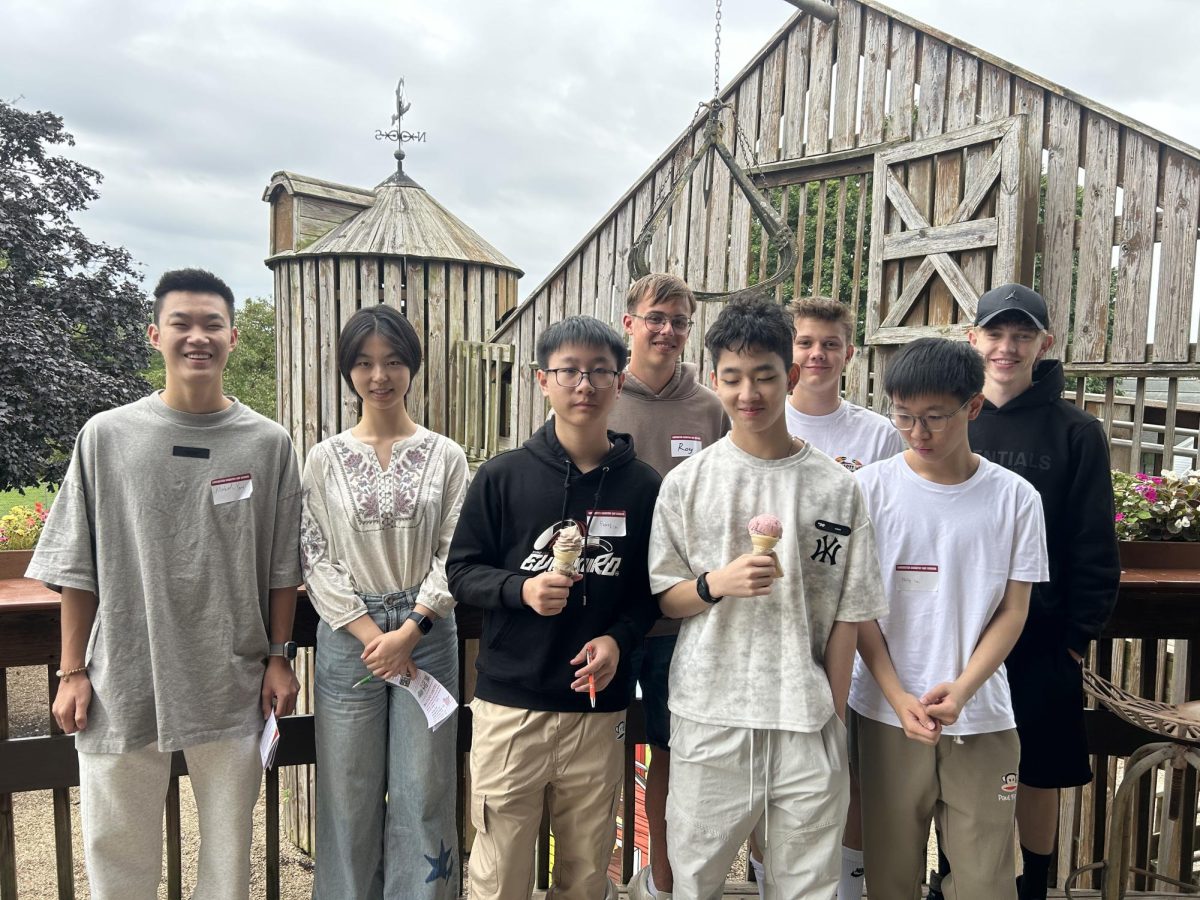
International students dream of studying abroad, but they often face various cultural differences in daily campus life. Cultural conflict and homesickness are common challenges. International student Michael Y. said, “There are huge differences in living habits and social ways between cultures, living in a new place sometimes can feel boring because you don’t have the same things to do like you would at home.”
This cross-cultural experience is not only a process of adaptation, but also a journey of growth. It reveals the difficulties international students encounter while bringing them valuable gains and closer connections with local students.
Differences are real, but so are shared experiences, which can reflect the true meaning of growing up in multiculturalism. International student Philip C. said, “sharing classroom and social experiences was very meaningful, really helpful for growing up.”
Cultural and language barriers are the major problems encountered by international students. There are many differences between Eastern classrooms and Western classrooms such as how students participate.
Silence is an important part of the Eastern classroom. According to Michael Y., “thinking deeply for several minutes, and then giving an answer is important for better understanding and correct answers. “In addition, it is also important for the class to move efficiently through the class materials. Philip C. added,” it is normal to have all subjects tested on one day. We take 6 tests and then move on.”
Michael Y. said, “In eastern classrooms most education systems are focused on fundamentals and discipline. Western style classrooms focus more on creativity.” In the Western classroom that advocates active participation, Eastern customs might be misunderstood as students not participating actively in learning.
The differences in academic systems can make it more difficult for international students to adapt. According to Language Seminar teacher, Ms. Krotky, “the education model in other countries like China is more teacher-centered and instructive, often focusing more on efficiency in learning, especially in larger public schools which can have up to 60 students in a class, while schools in the U.S. tend to pay more attention to independent and student-centered learning. I have been fortunate to learn a lot more about education in China by talking with my international students in Language Seminar. I really value the things I learn from them.”
Despite differences in educational systems, there are also similarities especially for students’ grades. Both classrooms require students to take the initiative to participate in discussions, and also have strict requirements for academic writing. Philip C. said “although the pressure here is less than in China, it is the same as China because small academic mistakes may lead to poor grades.”
These difficulties have also allowed international students to grow, and they have explored many ways to adapt. The International Student can customize learning goals, uses campus resources, practices foreign language expression, strives to adapt to academic life, and makes friends by participating in clubs and cultivating hobbies.
They have built a support circle including family members, other international students and local friends, and strive to integrate into the campus. International student, Frank C. said, “there is more free time here, teachers and classmates are all kind and help a lot.”
The growth of international students has also made the whole campus community richer. Understanding these challenges can help schools create a more inclusive campus environment.
A small act of kindness can break stereotypes and bring international students closer to local students. Make the whole campus more warm.